The case, explained
Bare ownership and First Home benefits: the line between title and possession
6 min read · Updated June 2026 · Editorial oversight: Avv. Federico Papa
Recent judicial developments, culminating in rulings from September 2024, have shed light on the complex relationship between holding bare ownership and the right to First Home tax benefits. According to press reports published in 2024, the conflict between the tax administration and taxpayers created operational uncertainty that required clarifying interventions from the Supreme Court. This article examines how the distinction between formal title and actual housing availability has become the cornerstone of the defense against tax recovery by the Revenue Agency. We will analyze the regulatory framework and case law trends in detail, then present a didactic twin case illustrating the practical application of these principles.

In brief
The article explores the compatibility between bare ownership and First Home benefits. It analyzes the distinction between holding real rights and the material availability of the property, citing Supreme Court case law protecting taxpayers lacking enjoyment of the asset. It includes a didactic case about Gaio Sventura, an analysis of the Registration Tax Act rules, and operational advice for lawyers and notaries on managing tax audits and deed declarations.
The facts
According to reports from publications such as Fisco Oggi and Il Sole 24 Ore, the case stems from a taxpayer's appeal against a tax assessment notice. The tax administration had revoked the First Home benefits (2 percent registration tax) because the buyer already held bare ownership of another property in the same municipality.
The Revenue Agency argued that the law precluded the benefit for anyone holding real rights over dwellings in the same municipal territory. Following a favorable outcome for the taxpayer in the second instance at the Tax Justice Court, the matter reached the Supreme Court, where the orientation favoring the compatibility between the two legal statuses was consolidated.
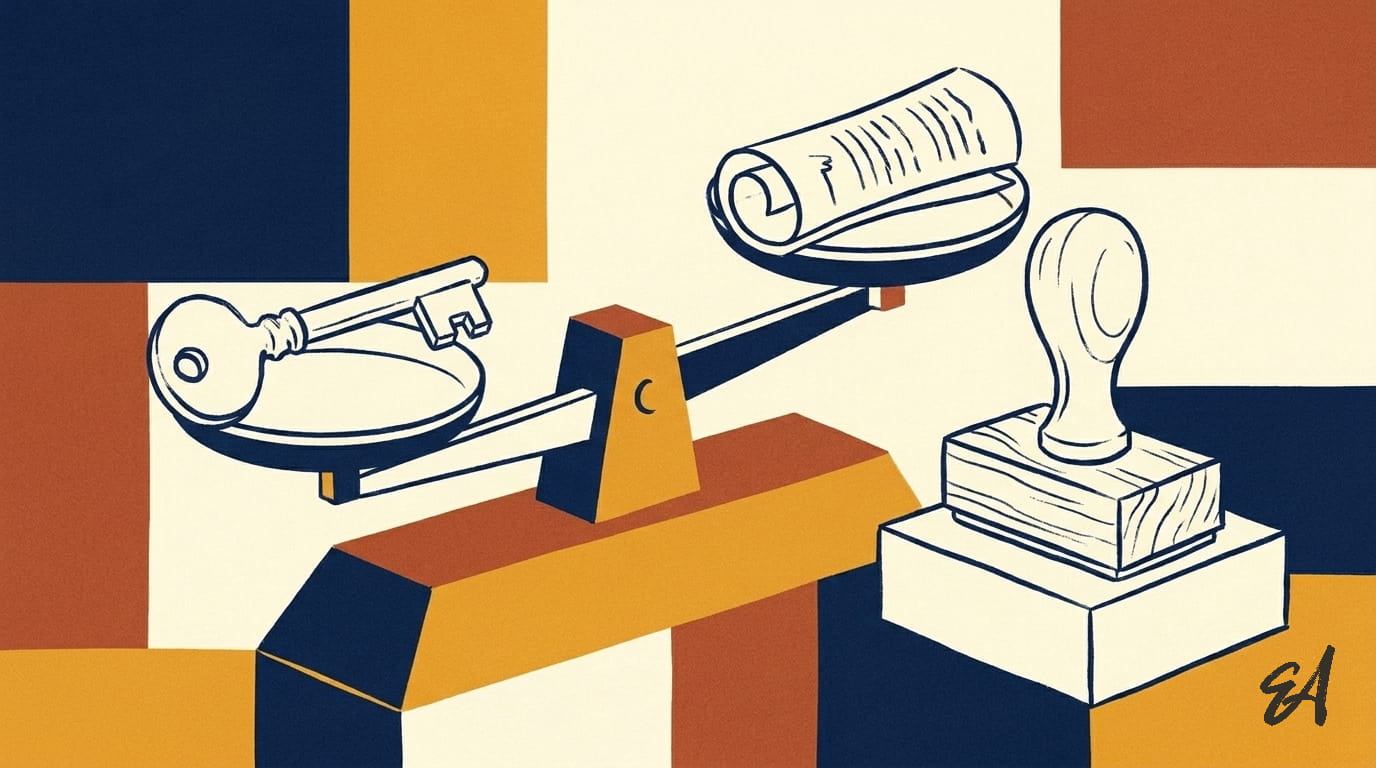
The legal framework
The regulatory framework is governed by Presidential Decree April 26, 1986, no. 131, specifically Note II-bis to Article 1 of the Tariff, Part I. Item b) of the note requires the buyer to declare that they are not the exclusive holder of ownership, usufruct, use, or housing rights on another home in the Municipality.
Significantly, bare ownership is not mentioned in this paragraph. Item c), however, prohibits a discounted purchase if one already holds rights on properties purchased with the same benefits nationwide. Violation results in the recovery of the tax difference from 2 percent to 9 percent, plus a 30 percent penalty and interest.
What case law says
Supreme Court case law has clarified that a bare owner is in a state of legal and material unavailability of the property, as the right of enjoyment belongs entirely to the usufructuary. Therefore, bare ownership is not suitable to satisfy the housing need that the benefit rule intends to protect.
The judges emphasized that the omission of bare ownership in item b) of Note II-bis is not a gap but a precise legislative choice: if the property was not previously purchased with bonuses, bare ownership alone does not prevent a new discounted purchase in the same Municipality.
- Try edit.legal AI
Analysis drafted and verified with edit.legal
To verify the provisions cited in this article, we used edit.legal. Test our legal AI on official sources and apply it to your own matters.
What it teaches professionals
- During the deed stage, it is essential to verify if the pre-existing bare ownership was purchased with benefits.
- It is advisable to include a specific clause in the deed acknowledging the holding of bare ownership only.
- In the event of an audit, the defense must focus on the literal distinction between points b) and c) of Note II-bis.
- Always monitor the status of the life tenant: the merging of usufruct with bare ownership before the deed would radically change the tax framework.
References: D.P.R. 26 aprile 1986, n. 131 (Testo Unico Imposta di Registro)Nota II-bis, Articolo 1, Tariffa Parte I, allegata al D.P.R. 131/1986Giurisprudenza di legittimità sulla compatibilità tra nuda proprietà e agevolazioni prima casa
Related cases

Frequently asked questions
Can I own two houses with benefits if one is bare ownership?
Yes, if the bare ownership was not purchased with "First Home" benefits. If, however, the first purchase of bare ownership was subsidized, the law requires selling the old property within one year of the new purchase to keep the benefit.
What happens if the Revenue Agency revokes my bonus?
The Agency will claim the difference between the tax paid (2 percent) and the ordinary tax (9 percent), plus a 30 percent penalty and interest. You can appeal the notice within 60 days or evaluate litigation-settlement tools.
Does the life tenant's age matter to the tax authorities?
No, for the purpose of the right to benefits, only the legal situation at the time of purchase matters. As long as a usufruct exists that deprives the owner of enjoyment, the property is considered unsuitable, regardless of the life tenant's life expectancy.
Verified legal research and drafting with edit.legal
Legal research and drafting with citations checked against official databases. edit.legal is free to try, no credit card.
Try edit.legal for free