The case, explained
Supreme Court: Disciplinary suspension for lawyers failing to pay staff
7 min read · Updated September 2026 · Editorial oversight: Avv. Federico Papa
According to specialized press reports, the Supreme Court, in a recent ruling, has consolidated the view that failure to fulfill salary and social security obligations towards law firm employees is not a mere civil matter, but carries specific disciplinary weight. The professional's failure to pay is deemed capable of damaging the reputation of the entire legal profession, justifying punitive sanctions such as suspension from practice. This article examines how the duty of integrity and relations with collaborators intertwine, turning a private debt into a breach of professional duties. Through the reconstruction of a twin case, we will see how the high court evaluates justifications linked to economic crises and the boundary between business management and professional dignity, distinguishing these aspects from structural reforms of the legal system covered in other sections of this column.
In brief
The article analyzes the Supreme Court's decision on the disciplinary relevance of a lawyer's failure to pay employees. It explores the link between breach of contract and damage to professional reputation under the Code of Ethics. Through the twin case of Gaio Sventura, the consequences of suspension and the irrelevance of an economic crisis as an automatic excuse are illustrated, offering operational guidelines on managing employment relationships within a firm.
The facts
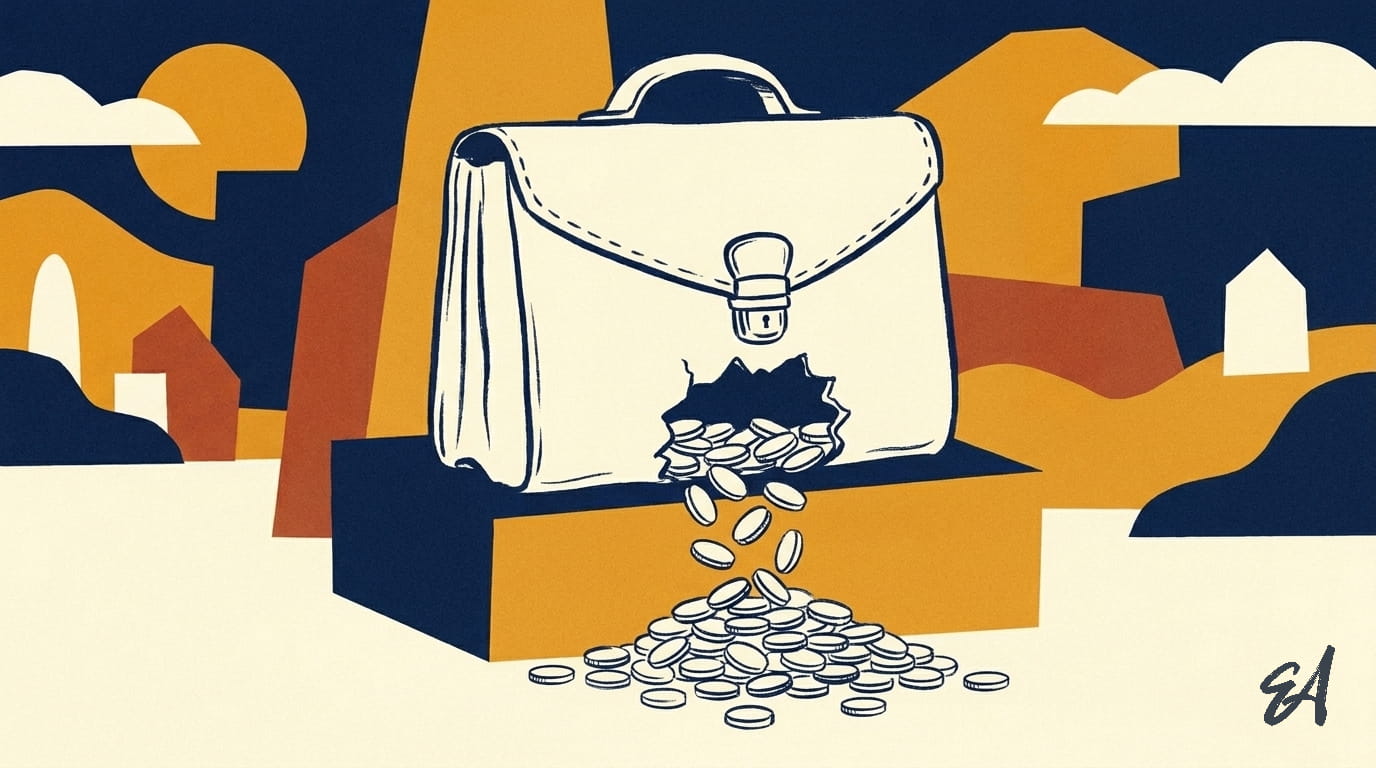
The case arises from a lawyer's appeal against a disciplinary suspension imposed following a systematic failure to pay wages and social security contributions to a collaborator. According to reports from Guida al Diritto and NJus.it, the arrears were established in civil court through an injunction and a subsequent final judgment by the labor judge. Despite the enforceable titles, the professional failed to settle the outstanding amounts.
The disciplinary proceedings, initiated by the District Disciplinary Council and confirmed by the National Bar Council, reached the Supreme Court stage. The defense argued that the default stemmed from a severe economic crisis in the firm and that, as a private obligation, it should not interfere with professional licensing. However, the Supreme Court rejected the appeal, confirming that the prolonged failure to pay constitutes a breach of the duties of dignity and professional decorum.
The rules in play
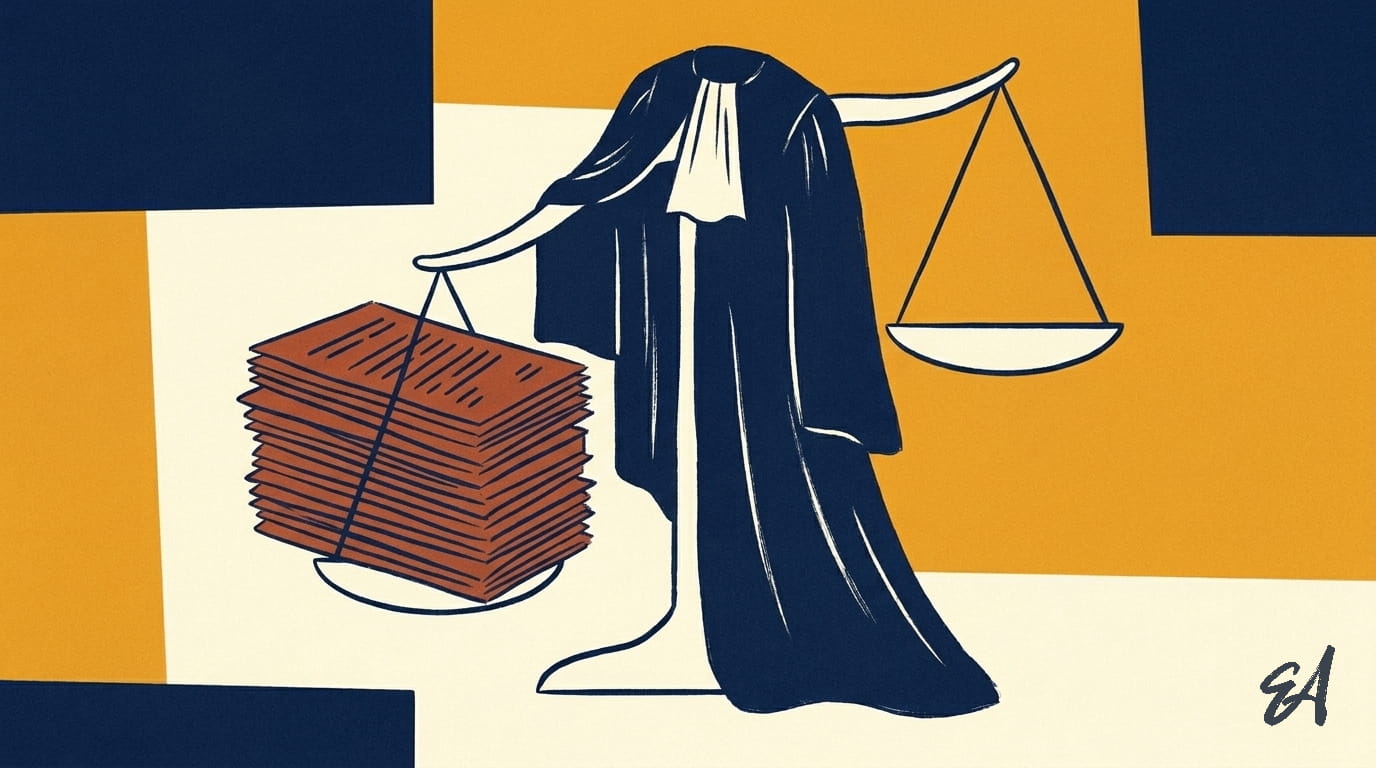
The regulatory framework revolves around the Code of Conduct for Lawyers. Art. 9 mandates duties of integrity, dignity, and decorum, stating that lawyers must preserve the profession's image even in extra-professional behavior that could reflect on the reputation of the Bar. Art. 64 specifies relations with collaborators, obliging the firm owner to ensure dignified working conditions and proportionate compensation.
Furthermore, Law 247/2012 (New regulation of the legal profession) provides in Art. 3 that lawyers are accountable to society and institutions. The consequences for violating these precepts can range from a formal censure to suspension from professional practice, should the gravity and repetition of the behavior suggest a temporary incompatibility with the decorum required for legal assistance.
The jurisprudence
Case law has clarified that a lawyer's failure to pay monetary debts takes on disciplinary relevance when the circumstances of the fact compromise third-party trust in the professional's integrity. Specifically, it has been specified that failing to pay collaborators is considered more serious than a generic commercial debt, as it violates a specific ethical rule designed to protect the internal consideration of the firm's working relationship.
The judges also established that the mere claim of an economic crisis does not constitute a cause for excluding liability. For a state of necessity to be invoked, the professional must provide rigorous proof of absolute objective impossibility to fulfill the obligation and the lack of fault in the origin of the crisis. The core principle is that a lawyer's image cannot be split between the private-entrepreneurial sphere and the public-professional one.
- Try edit.legal AI
Analysis drafted and verified with edit.legal
To verify the provisions cited in this article, we used edit.legal. Test our legal AI on official sources and apply it to your own matters.
What it teaches professionals
The analysis of the ruling and the twin case suggests three operational lessons.
- Prioritize labor claims: in case of a liquidity crisis, employee wages must take absolute precedence over any non-essential expense to avoid disciplinary issues.
- Transparency with the Bar: if payment difficulties are anticipated, it is advisable to promptly inform your Bar Council or attempt formal settlement procedures, documenting every effort made.
- Separation of accounts: avoid mixing personal funds with firm management, as discretionary spending concurrent with arrears to collaborators is considered an aggravating factor in disciplinary proceedings.
References: Codice Deontologico Forense, Art. 9Codice Deontologico Forense, Art. 64Legge 31 dicembre 2012, n. 247
Related cases

Frequently asked questions
What is the typical sanction for failing to pay law firm employees?
The sanction can range from a formal censure to suspension from professional practice, depending on the systematic nature of the default and the severity of the damage to professional decorum.
Does the firm's economic crisis justify the arrears?
No, unless rigorous proof of an absolute and non-fault objective impossibility is provided. Generic financial difficulty does not exempt one from disciplinary liability.
Must the news of the arrears end up in the newspapers to trigger the sanction?
No, it is sufficient that the conduct is objectively contrary to the duties of fairness and known within the professional or judicial environment, for example through legal action brought by the employee.
Verified legal research and drafting with edit.legal
Legal research and drafting with citations checked against official databases. edit.legal is free to try, no credit card.
Try edit.legal for free