The case, explained
Civil Cassation: Bank Liability in SIM Swapping
9 min read · Updated October 2026 · Editorial oversight: Avv. Federico Papa
The Court of Cassation, with a consolidated position, has drawn a clear line on the liability of credit institutions in cases of computer fraud implemented through SIM card duplication. According to press reports, the core of the dispute concerns the effectiveness of two-factor authentication (2FA) systems based on SMS and the difficulty for banks to prove user negligence in the face of hacking techniques targeting the communication infrastructure itself. While general profiles on the burden of proof in scams have been the subject of previous reflections in this column, this contribution focuses on the technical specificity of code theft via SIM replacement. The case examined by the high court judges emphasizes the so-called professional risk of the intermediary, which cannot merely prove the correct entry of credentials to avoid liability. Through the reconstruction of the twin case of Gaio Sventura, we will see how case law evaluates the behavior of the customer who finds themselves with a dead phone and a drained account, defining whether the sudden «no service» signal can constitute an alert such as to configure gross negligence in case of inertia.

In brief
The article analyzes the Cassation's orientation on bank liability in SIM Swapping. Unlike traditional phishing, this fraud affects the SMS-based 2FA infrastructure. The bank is liable for unauthorized withdrawals unless it proves the customer's gross negligence, which cannot coincide with the mere identity theft suffered. The professional risk of the intermediary and the insufficiency of technical proof of authentication to exclude compensation are examined.
The fact
According to reports from outlets such as Altalex and Diritto Bancario, the case brought before the Cassation concerns a saver who suffered the theft of large sums from their bank account through the SIM Swapping technique. The mechanism, established in the lower courts, involved a fraudster illegally obtaining a duplicate of the customer's SIM at a telephone operator's retail outlet by presenting forged documents.
The activation of the new card caused the immediate deactivation of the original SIM, preventing the customer from receiving calls and messages. During this interval, the attacker, already in possession of home banking access credentials obtained through a previous targeted attack, received on their device the OTP codes via SMS necessary to authorize wire transfers to foreign accounts.
The procedural stage concluded with the ruling of the Court of Cassation, called to decide whether the bank could invoke the customer's gross negligence for failing to promptly report the telephone line malfunction. The lower courts had initially fluctuated on the assessment of the customer's diligence, considering the fraud a partially avoidable event with greater attention to the state of the mobile terminal.
The rules in play
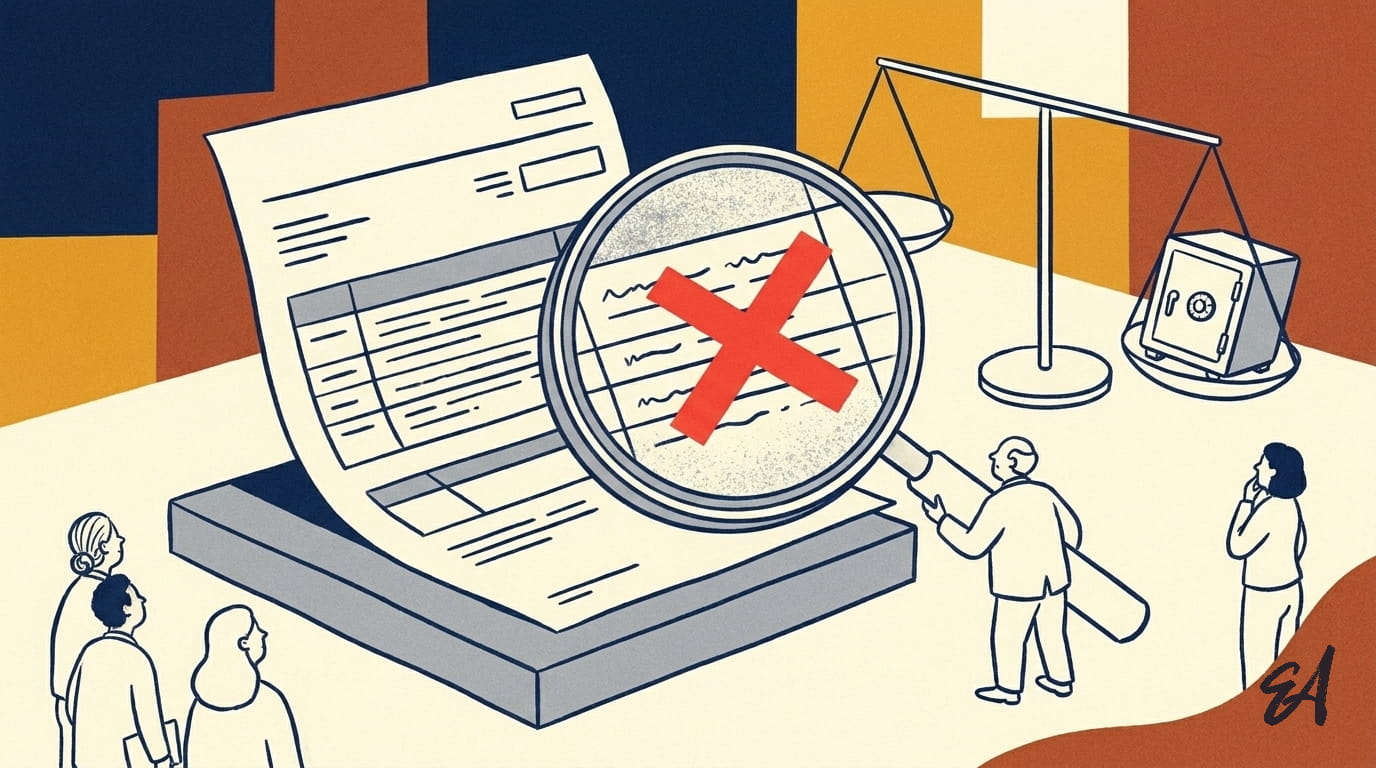
The pivotal discipline is contained in Legislative Decree no. 11/2010, implementing the European Payment Services Directives (PSD2). Art. 10 establishes a strict distribution of the burden of proof: if the customer denies authorization, the bank must prove not only the authentication of the transaction but also the intent or gross negligence of the user.
Art. 12 of the same decree limits the payer's liability to a minimum deductible, except in cases of gross negligence. Completing the framework is Art. 1176, paragraph 2, of the Civil Code, which imposes the professional diligence of the prudent banker on the bank. This rule raises the standard of protection required of the intermediary, who must adopt security measures appropriate to the technological state of the art to prevent known frauds such as SIM Swapping.
Finally, Art. 1218 of the Civil Code frames the bank's liability as contractual, assuming that the failure to fulfill the obligation of custody and security of deposits entails the obligation of compensation, unless the institution proves that the event resulted from a cause not attributable to it.
What case law says
The orientation of high court case law has clarified that the risk of evolving hacking techniques falls mainly on the bank, as it is the entity technically equipped to manage the so-called technological unknown. The judges specified that simply demonstrating that the OTP codes were correctly entered does not equate to proof of the customer's gross negligence.
Regarding SIM Swapping, case law has established that an average user cannot be expected to maintain obsessive vigilance over the continuity of the telephone signal, especially if the outage can be mistaken for a trivial technical problem from the operator. The professional liability of the intermediary implies the obligation to set up monitoring systems capable of intercepting behavioral anomalies, such as a sudden password change followed by massive wire transfers.
Furthermore, it has been stated that the use of SMS as a two-factor authentication tool, while widespread, presents known inherent vulnerabilities. Therefore, the bank's choice to rely on this technology shifts the business risk bar to the institution, making it very difficult to qualify the conduct of a customer who suffers identity theft via a third party (the telephone operator) without any control over it as negligent.
- Try edit.legal AI
Analysis drafted and verified with edit.legal
To verify the provisions cited in this article, we used edit.legal. Test our legal AI on official sources and apply it to your own matters.
What it teaches professionals
- Verification of technical logs: During the investigation phase, it is essential to request not only the bank statement but also the complete authentication logs, including IP addresses and device identification codes used for the disputed transactions.
- Negligence analysis: The client's defense must insist on the distinction between the saver's distraction and the systemic flaw, proving that the user did not perform any acts disposing of their credentials.
- Telco involvement: Always evaluate the opportunity to take action or involve the telephone operator for the failure to identify the person requesting the new SIM, which constitutes the first link in the causal chain of damage.
- Security standards: Constantly monitor whether the credit institution had more secure technologies available (such as biometric authentication) and whether it negligently omitted them, preferring the cheaper but insecure SMS.
References: D.Lgs. 11/2010Art. 1176 c.c.Art. 1218 c.c.
Related cases

Frequently asked questions
What measures are appropriate in case of a sudden lack of telephone signal?
In case of a sudden signal loss, it is appropriate to contact the operator to rule out technical faults and monitor bank movements from a secure device to potentially proceed with the precautionary blocking of cards.
Can the bank refuse to refund me if I used SMS as an OTP?
The bank is obliged to refund you unless it proves your gross negligence; case law tends to exclude such negligence in SIM Swapping, as the vulnerability of the SMS system is a risk that falls on the institution.
How long do I have to dispute an unauthorized wire transfer?
According to PSD2 regulations, the user must report the unauthorized transaction without delay and in any case no later than 13 months from the debit date to retain the right to a refund.
Verified legal research and drafting with edit.legal
Legal research and drafting with citations checked against official databases. edit.legal is free to try, no credit card.
Try edit.legal for free