The case, explained
Supreme Court United Sections: Public Administration Liability for Breach of Reliance
7 min read · Updated October 2026 · Editorial oversight: Avv. Federico Papa
The recent ruling of the United Sections of the Supreme Court represents a crucial development in the debate on Public Administration liability when a citizen relies on a favorable administrative measure that is subsequently annulled. According to reports in the specialized press in October 2024, the protection of legitimate reliance has been squarely framed within the scope of liability arising from qualified social contact. Through the analysis of the twin case of Gaio Sventura and his complex dealings with the Municipality of Roccamesta, this guide explores how the legal classification of the damage impacts the statute of limitations and the burden of proof for practitioners representing private parties.
In brief
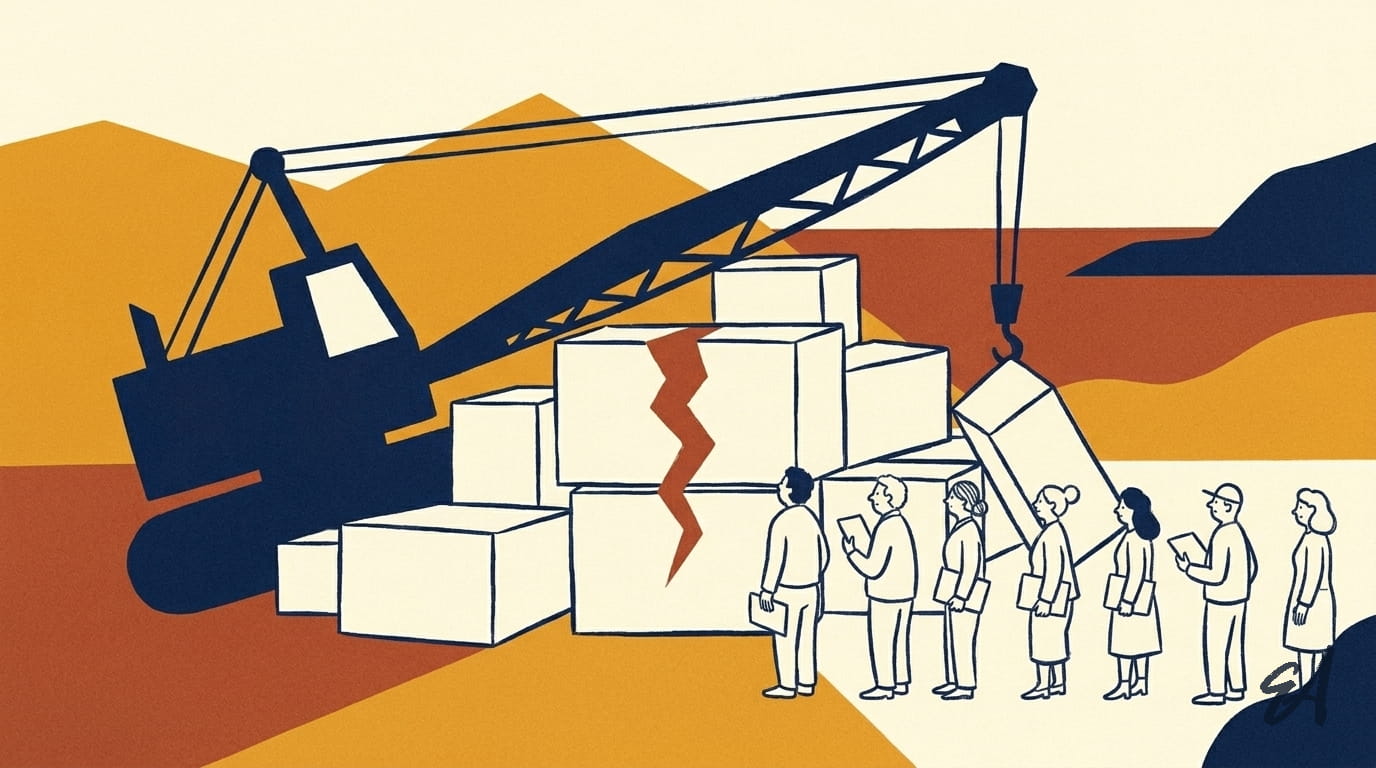
The United Sections confirm that P.A. liability for breach of legitimate reliance is contractual in nature, arising from qualified social contact. This entails the application of the ordinary statute of limitations and a favorable burden of proof for the private party, who is required to prove only the damage and the breach of good faith, while the Administration bears the burden of proving the absence of fault.
The fact
According to reports by «Il Sole 24 Ore: Quotidiano del Diritto» and «Lex Italia», the dispute originates from a conflict between an economic operator and a public administration. The private party had obtained a favorable administrative measure, specifically a concession or authorization, on the basis of which it had undertaken substantial investments and financial commitments. However, after some time, the Administration annulled the act by way of self-redress, having identified original legality defects.
The private party subsequently brought an action against the P.A. for damages, arguing that the annulment, although lawful, had breached its reliance on the stability of the legal relationship. The proceedings reached the United Sections of the Supreme Court to resolve the conflicting case law regarding the nature of the liability: whether it constitutes a non-contractual tort or stems from the breach of protection duties arising from the administrative procedure.
The laws at play
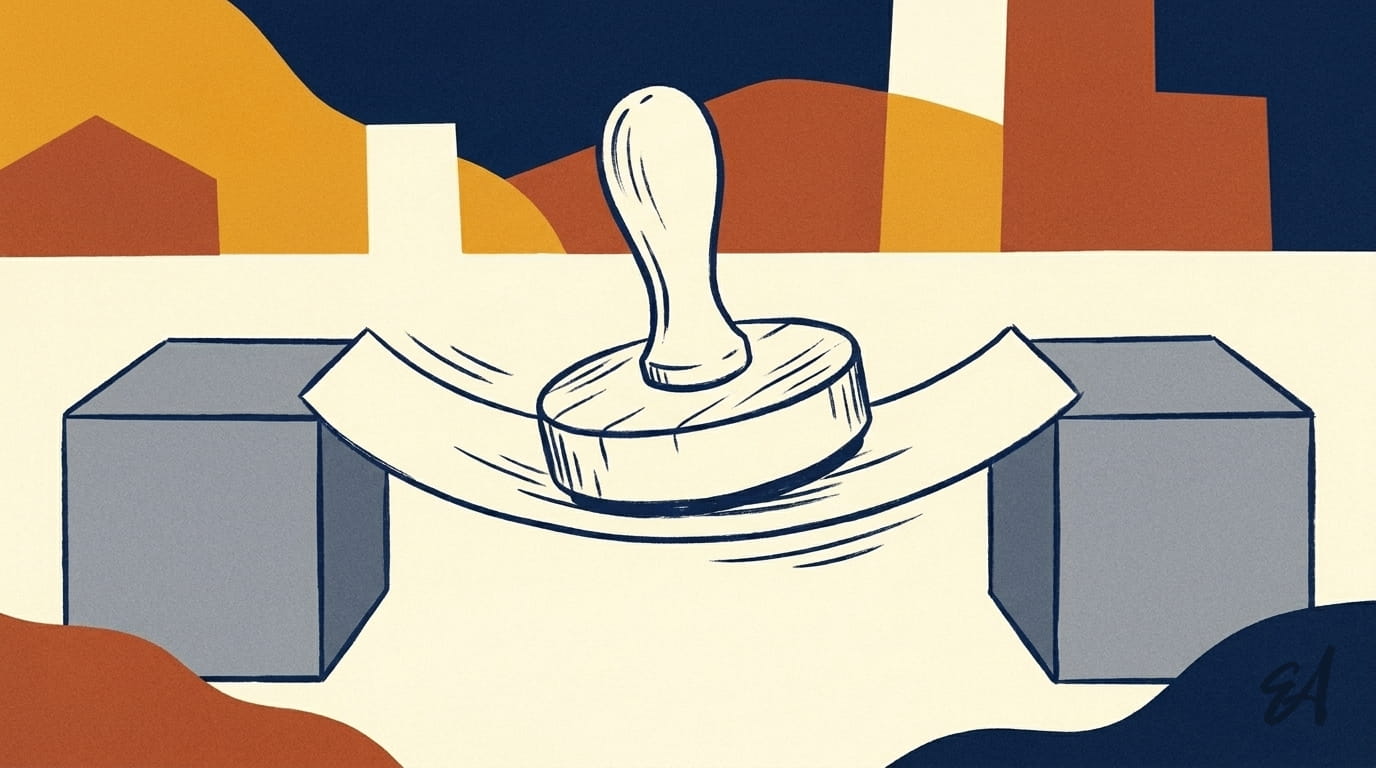
The statutory framework relies on the integration of civil code provisions and administrative law principles.
- Art. 1337 c.c.: imposes on parties the duty to act in good faith during negotiations, a principle extended by the United Sections to the relationship between citizens and the P.A.
- Art. 1218 c.c.: governs contractual liability, establishing a presumption of fault on the debtor and a ten-year statute of limitations.
- Art. 2043 c.c.: governs non-contractual liability, invoked by the P.A. to assert a five-year limitation period.
The application of these provisions determines whether the citizen must fully prove the fault of the public officials or may limit their burden to demonstrating the objective frustration of a legitimate expectation created by the administrative act subsequently revoked.
What the case law says
Case law has progressively abandoned the doctrine treating the P.A. as an unrelated third party to the citizen prior to entering into a formal contract. Settled authority establishes that between the private party and the issuing Administration a so-called qualified social contact is created. This contact is not a mere factual relationship, but an autonomous source of protection and information duties.
The courts have established that the breach of these duties does not constitute a simple tort, but rather the non-performance of a pre-existing obligation without a contract. Consequently, the P.A. remains liable even if the act was lawfully annulled, provided that the private party was in a state of legitimate reliance, meaning they could not have detected the defect in the act through ordinary diligence.
- Try edit.legal AI
Analysis drafted and verified with edit.legal
To verify the provisions cited in this article, we used edit.legal. Test our legal AI on official sources and apply it to your own matters.
What it teaches professionals
- Carefully verify the dies a quo of the limitation period, applying the ten-year ordinary statute of limitations rather than the five-year term for damages claims against the P.A. arising from annulled favorable acts.
- Thoroughly document all incurred costs and lost opportunities from the date the favorable act was issued, in order to prove negative interest.
- Conduct a prior assessment of the obviousness of defects in the administrative measure, as a failure by the client to detect a gross error could negate the legitimate nature of the reliance.
- Leverage the evidentiary framework of contractual liability to shift the burden onto the P.A. to prove the absence of fault by its office.
References: Articolo 1337 Codice CivileArticolo 1218 Codice CivileArticolo 2043 Codice CivileArticolo 97 Costituzione
Related cases

Frequently asked questions
What is the statute of limitations for claiming damages from the P.A. in case of breached reliance?
Due to the contractual nature of the P.A.'s liability for breach of legitimate reliance (pursuant to Art. 1218 c.c.) arising from qualified social contact, the ordinary statute of limitations applies.
What is meant by negative interest in compensation from the P.A.?
Negative interest includes the reimbursement of uselessly incurred expenses and compensation for lost alternative contractual opportunities, while excluding the profit the private party would have earned from executing the annulled act.
Is the private party always entitled to compensation if the Municipality annuls an illegal permit?
No, compensation requires the reliance to be legitimate. If the private party knew or should have known of the act's defect through ordinary diligence, they bear the loss.
Verified legal research and drafting with edit.legal
Legal research and drafting with citations checked against official databases. edit.legal is free to try, no credit card.
Try edit.legal for free