The case, explained
AI and Image Rights: The Debate on Commercial Deepfakes
6 min read · Updated September 2026 · Editorial oversight: Avv. Federico Papa
The public debate of May 2024 confirms the growing attention regarding digital cloning. According to press reports, the case stems from social media complaints about the unauthorized use of retouched images to promote commercial products by exploiting the identity of public figures. Through a twin case, we will explore how the protection of image and voice would apply to content created from scratch via algorithms, distinguishing this protection from the mere liability of digital service providers, which has been discussed in other installments of this column.

In brief
This article examines the debate sparked by a well-known TV presenter's social media complaint about using retouched images for commercial gain. Although there is no judicial ruling, the case allows us to explore civil protection against deepfakes. Through the application of Article 10 of the Civil Code and the Copyright Law, a framework emerges to protect biometric identity from non-consensual synthetic exploitation, which is fundamental for personality rights in the digital age.
The facts
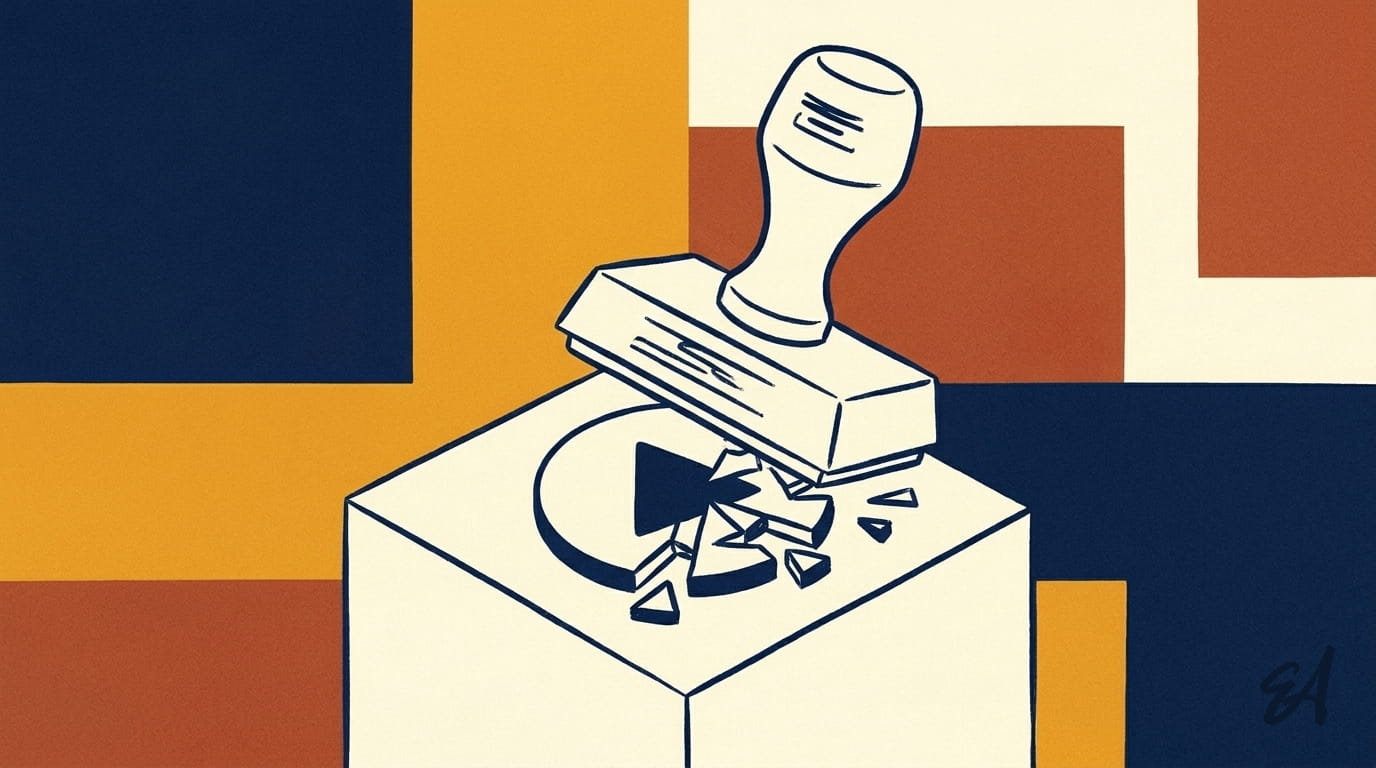
According to press reports, a well-known Italian TV host publicly complained on her social media channels about the unauthorized use of her image by a wellness company. The case did not result in any emergency petition or judicial act, but concerned the distribution on social networks of retouched photos and promotional videos in which the protagonist appeared to recommend weight-loss supplements. The case sparked a wide debate on what would happen if, instead of simple retouched photos, a full deepfake created via generative AI were used, capable of perfectly replicating physical features, lip movements, and vocal timbre, making the person utter unauthorized statements.
The applicable framework
The central provisions for the theoretical resolution of the case are three: first, Article 10 of the Italian Civil Code protects against the abuse of another person's image, allowing the court to enjoin any display or publication of a portrait made without consent or to the detriment of dignity; second, Articles 96 and 97 of Law no. 633/1941 establish that a person's portrait cannot be displayed without authorization, except in specific cases of public notoriety which must never harm the person's honor; third, Articles 4 and 9 of the GDPR classify the face and voice as biometric data, a special category of sensitive personal data whose processing requires strict legal bases and explicit consent, especially when aimed at unique identification or commercial exploitation.
What case law says
Supreme Court case law has long clarified that the right to one's image is an absolute right and that its commercial exploitation almost always excludes the applicability of exemptions related to news reporting or public notoriety. Established case law equates the protection of voice with that of the image, considering it a fundamental distinctive trait of personal identity. Lower courts have further specified that the infringement exists even if the image is artificially created, as the object of protection is not the original photographic material, but the social projection and identity of the person improperly evoked and manipulated.
- Try edit.legal AI
Analysis drafted and verified with edit.legal
To verify the provisions cited in this article, we used edit.legal. Test our legal AI on official sources and apply it to your own matters.
What it teaches professionals
- Always verify the chain of consent not only for archive material, but also for datasets used in training generative AI models for commercial purposes.
- Include specific clauses in image licensing contracts that expressly exclude or regulate the creation of synthetic avatars or vocal clones.
- Act promptly in summary proceedings as soon as a deepfake is detected, as the virality of digital content accelerates image erosion damage.
- Consider the protection of biometric data under the GDPR as an additional procedural tool, often more effective than claiming copyright infringement alone.
Update and rectification note (17 September 2026)
The previous version of this article incorrectly reported the existence of a summary injunction by the Court of Rome regarding a deepfake of a well-known TV presenter. Following an editorial review, we confirm that there is no judicial act nor any legal precedent established in this regard: the real case is limited to a social media complaint about the use of retouched photographs. The text has been corrected to reflect the absence of legal proceedings and to frame the issue as a theoretical debate.
References: Art. 10 c.c.Art. 96 L. 633/1941Art. 97 L. 633/1941Art. 4 GDPRArt. 9 GDPRArt. 700 c.p.c.
Related cases

Frequently asked questions
What can I do if I find an AI video using my face to sell products?
You can file an emergency petition in court under Article 700 c.p.c. to obtain the immediate removal of the video and an injunction against its distribution, as well as request damages for the unauthorized use of your image and voice.
Is using AI to create famous people's voices legal for advertising purposes?
No, using a person's identifiable vocal timbre for commercial purposes requires the explicit consent of the individual, as voice is an essential attribute of personality protected by civil law.
What are the penalties for creating commercial deepfakes without permission?
In addition to a removal order and injunction, the judge can impose financial penalties (astreinte) for each day of delay or for future violations, and order the author to pay material and non-material damages.
Verified legal research and drafting with edit.legal
Legal research and drafting with citations checked against official databases. edit.legal is free to try, no credit card.
Try edit.legal for free